
Indoor Plants for Low Light Spaces
When you live in a small apartment or have a dark corner in your home, it can be difficult to find plants that will thrive. But don't give up! There are plenty of beautiful and low-maintenance plants that will do well in low-light conditions.
Choosing the right plant
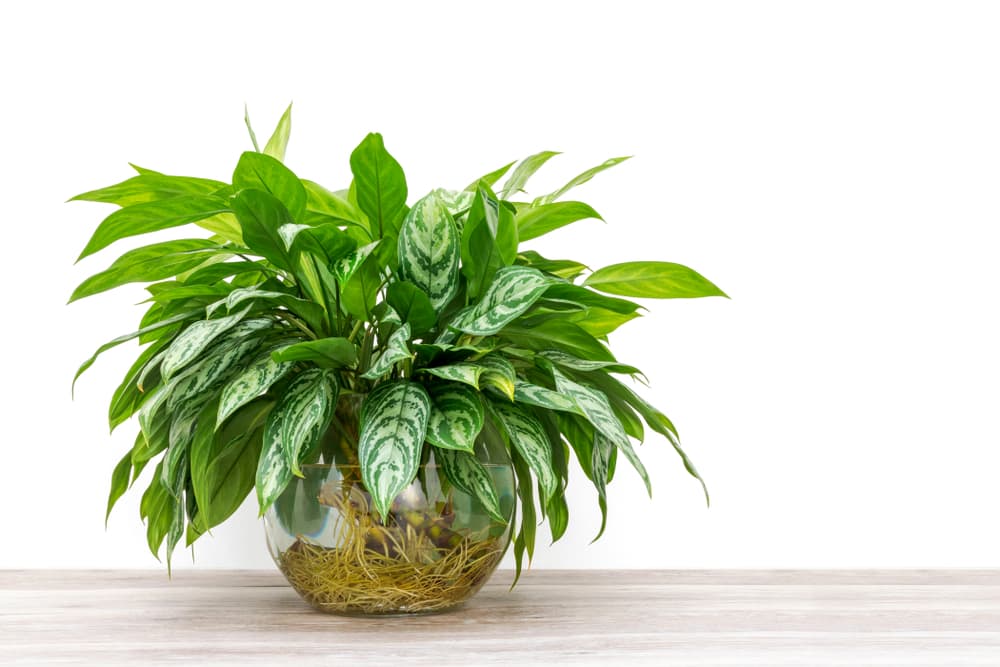
The first step is to choose the right plant for your space. Not all plants are created equal, and some are better suited to low-light conditions than others. When choosing a plant, consider the following factors:
- Light level: How much light does the area receive? Direct sunlight? Indirect sunlight? Artificial light?
- Size: How big of a plant do you want?
- Watering needs: How often will you need to water the plant?
- Pet-friendliness: Is the plant toxic to pets?
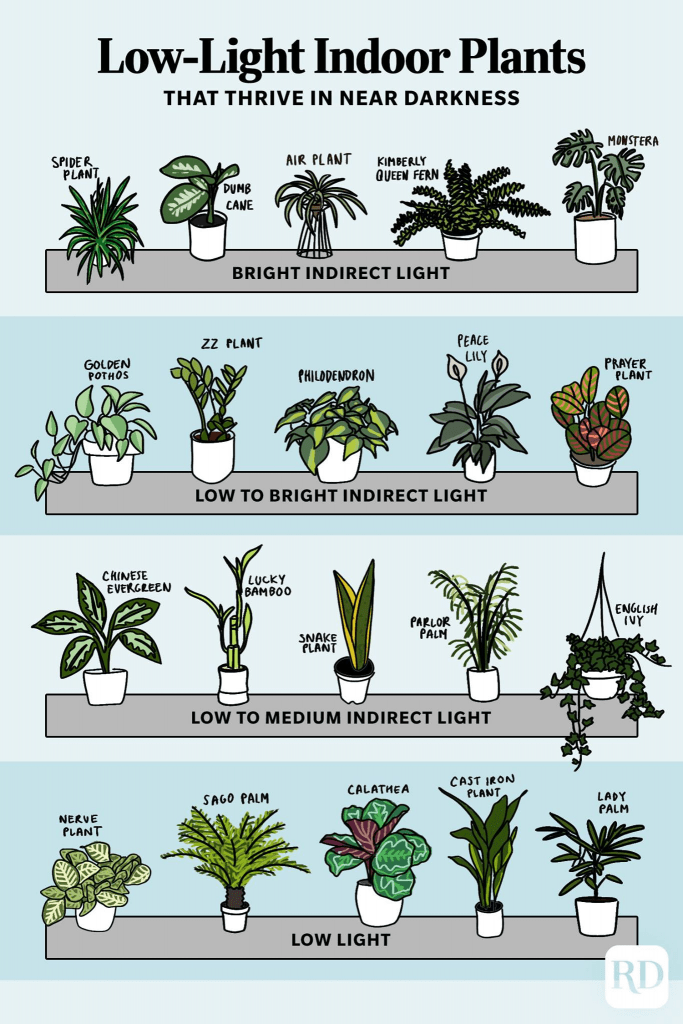
Here are some of the best plants for low-light spaces:

- ZZ plant (Zamioculcas zamiifolia): The ZZ plant is a popular choice for low-light spaces because it is very tolerant of neglect. It can survive long periods without water and does not need much sunlight. The ZZ plant is also very easy to propagate, so you can easily create more plants for your home.
- Snake plant (Sansevieria trifasciata): The snake plant is another great option for low-light spaces. It is very drought-tolerant and can survive long periods without water. The snake plant is also a very hardy plant and can tolerate a wide range of temperatures.
- Cast-iron plant (Aspidistra elatior): The cast-iron plant is one of the most low-maintenance plants you can find. It is very tolerant of neglect and can survive in even the darkest corners of your home. The cast-iron plant is also very durable and can withstand a lot of abuse.
- Peace lily (Spathiphyllum wallisii): The peace lily is a beautiful plant that is also very tolerant of low light. It is a good choice for people who want a low-maintenance plant that will add a touch of greenery to their home. The peace lily blooms white flowers that are said to bring peace and tranquility to the home.
- Ferns: Ferns are a great choice for low-light spaces because they do not need direct sunlight. There are many different types of ferns to choose from, so you can find one that fits your needs.
- Philodendrons: Philodendrons are a type of vine that are very easy to care for. They can tolerate low light and do not need much water. Philodendrons are also very versatile and can be grown in hanging baskets or on a trellis.
Caring for your low-light plants
Once you have chosen the right plant for your space, it is important to care for it properly. Here are some tips:

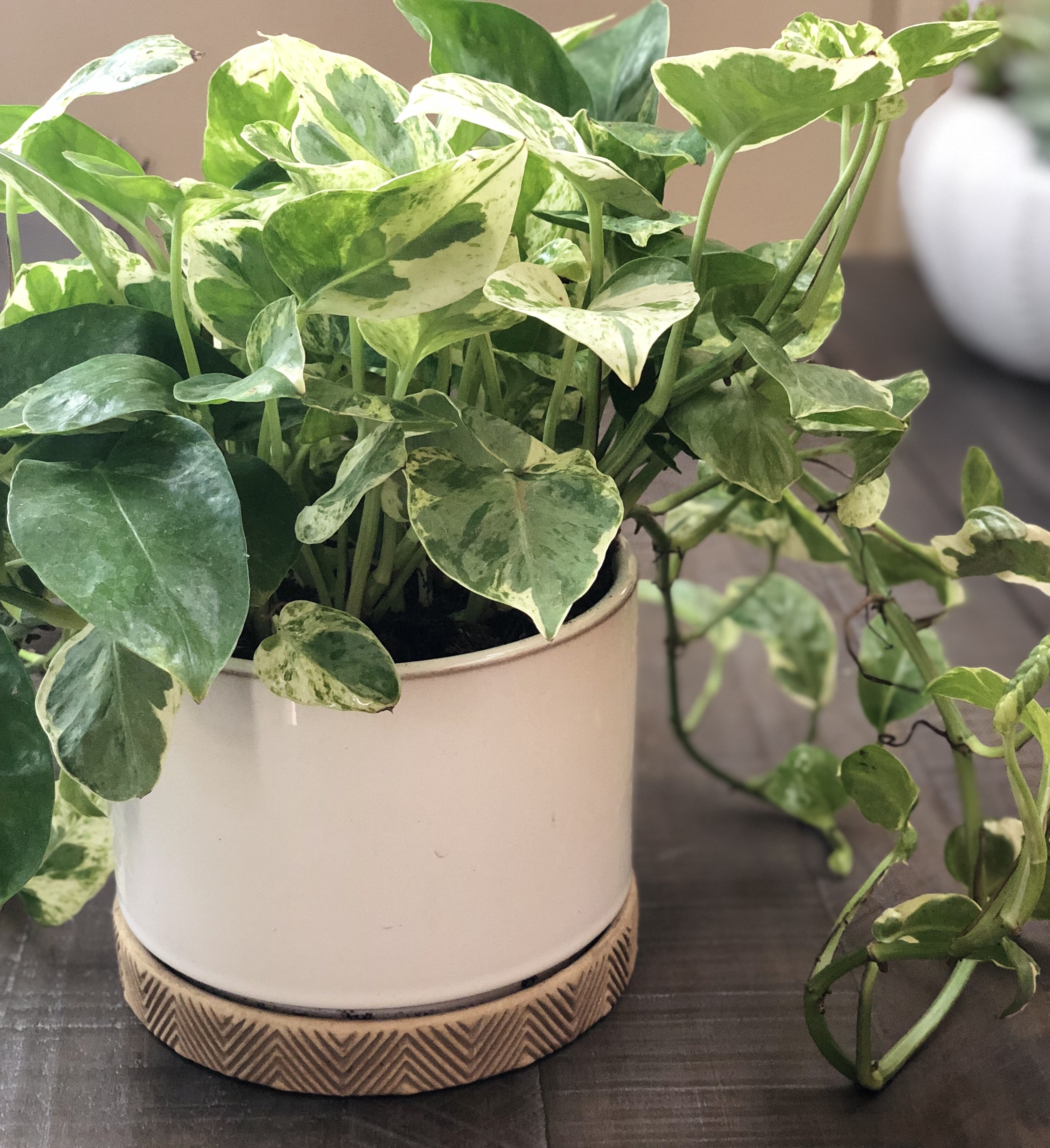
- Water your plant regularly, but do not overwater it. The best way to tell if your plant needs water is to stick your finger in the soil. If the soil is dry to the touch, it is time to water the plant.
- Fertilize your plant once a month during the growing season. Use a fertilizer that is specifically formulated for indoor plants.
- Rotate your plant regularly so that all sides get equal amounts of light. This will help to prevent the plant from becoming lopsided.
- Prune your plant as needed to keep it looking its best. Remove any dead or damaged leaves.
With a little care, you can easily grow beautiful plants in even the darkest corners of your home. So don't give up on your dream of having a green thumb!
Here are some additional tips for growing plants in low-light conditions:
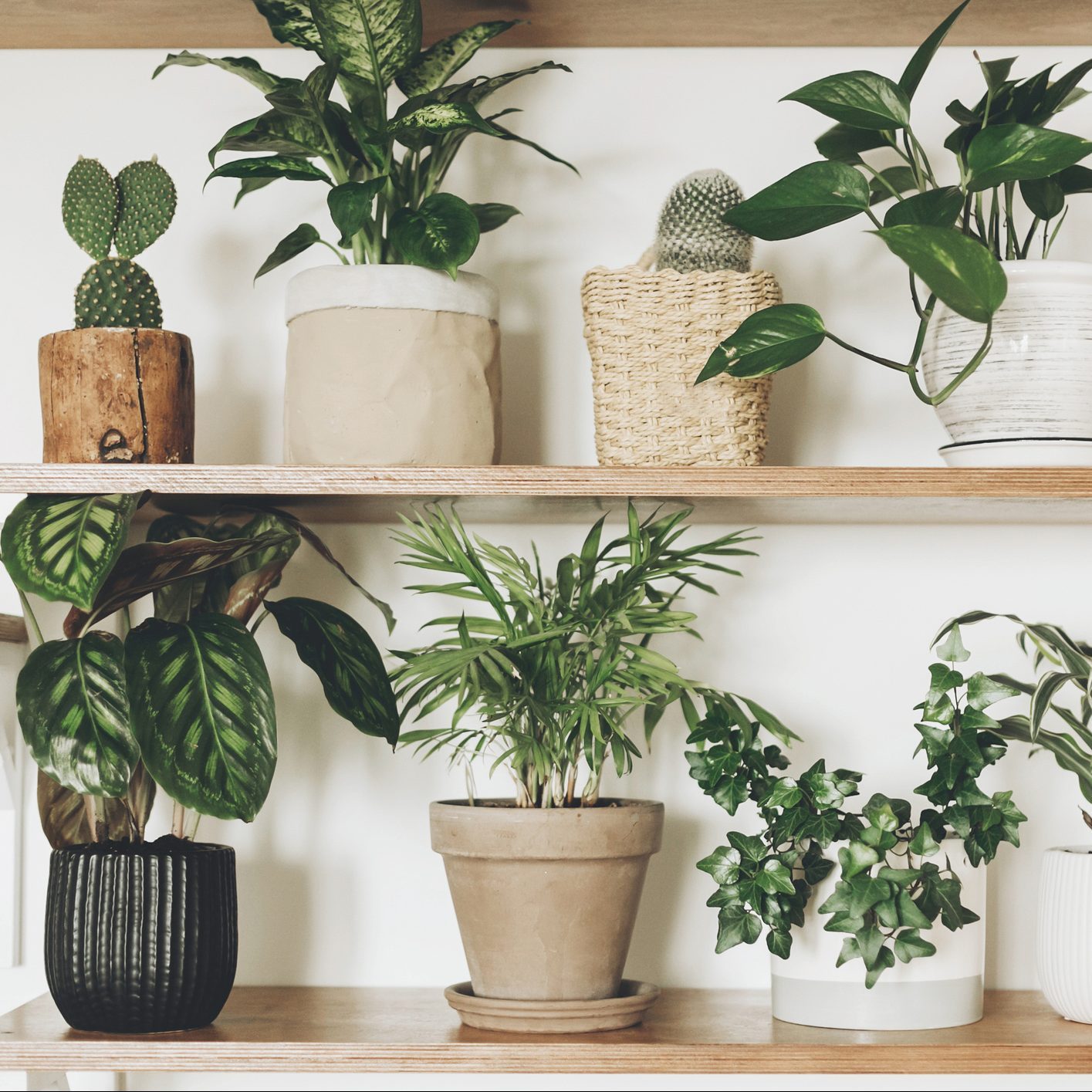
- Use a grow light. A grow light can provide your plants with the extra light they need to thrive. Grow lights come in a variety of shapes and sizes, so you can find one that fits your needs.
- Place your plants near a window. Even a small amount of sunlight can make a big difference for your plants. If you do not have a window in your low-light space, you can use a grow light.
- Group your plants together. Plants release moisture into the air, which can help to create a more humid environment. When you group your plants together, they can help each other to thrive.
- Use a humidifier. A humidifier can help to increase the humidity in your low-light space. This can be especially helpful if you live in a dry climate.
- Be patient. It may take some time for your plants to adjust to the low-light conditions. Do not give up on them! With a
Komentar
Posting Komentar