Detailed Analysis of DIY Home Improvement Tools

Do-it-yourself (DIY) home improvement projects are a great way to save money, learn new skills, and add value to your home. However, before you get started, it's important to make sure you have the right tools for the job.
In this article, we'll take a detailed look at some of the most essential DIY home improvement tools. We'll discuss what each tool is used for, how to choose the right one, and where to find the best deals.
Power Tools
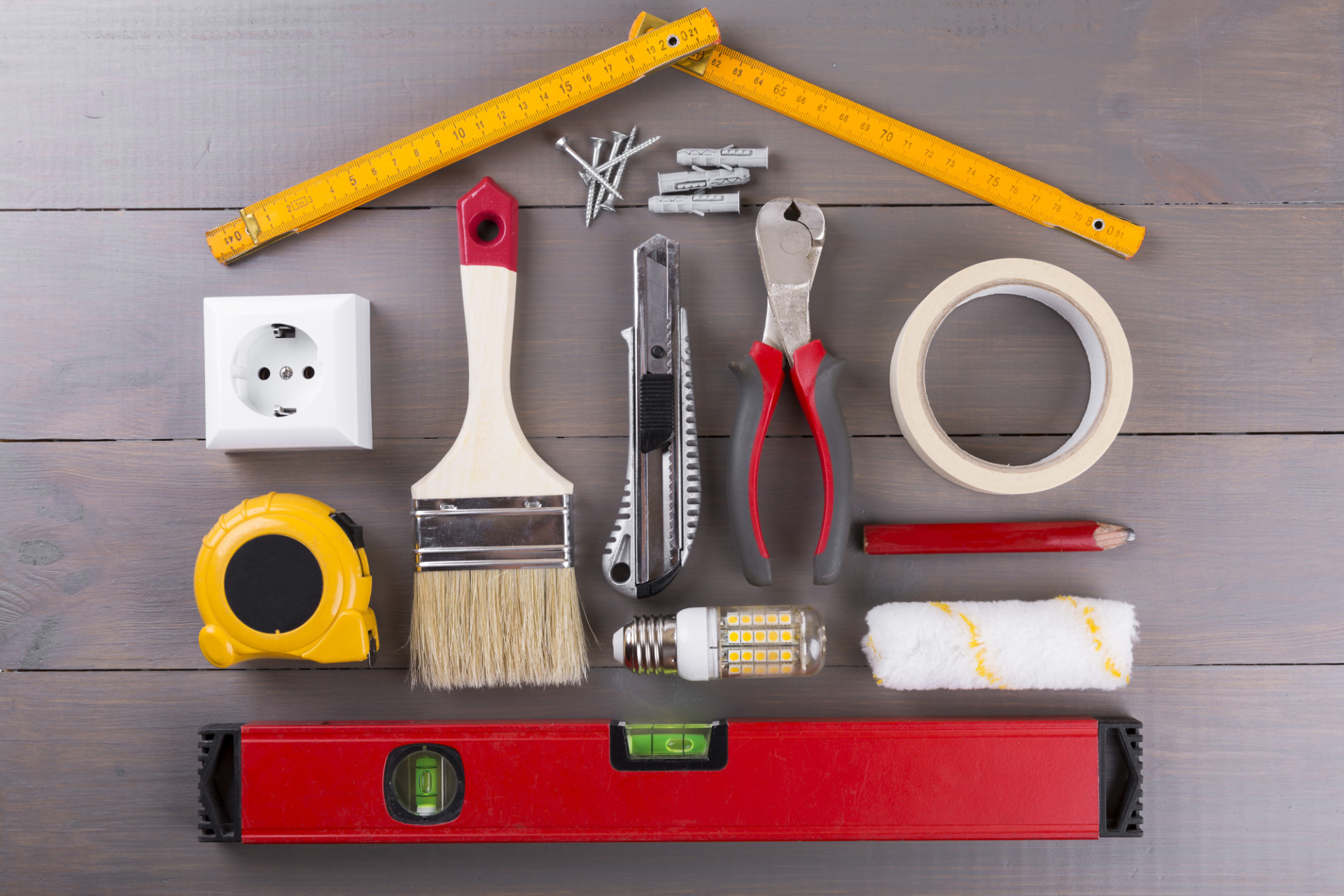
Power tools are essential for any serious DIYer. They can help you complete projects faster and easier, and they can also give you more control over the results.
Here are some of the most popular power tools for home improvement projects:
- Drills are one of the most versatile power tools you can own. They can be used for drilling holes, driving screws, and removing nails. When choosing a drill, you'll need to decide between a corded drill and a cordless drill. Cordless drills are more convenient, but they're also more expensive.
- Impact drivers are another essential power tool for home improvement projects. They're designed for driving screws into tough materials, such as concrete and brick. Impact drivers are more powerful than drills, but they're also more expensive.
- Saws are a must-have for any DIYer who plans on doing any type of cutting. There are many different types of saws available, each designed for a specific purpose. The most common types of saws for home improvement projects include:
- Miter saws: Miter saws are used for cutting wood at a variety of angles.
- Circular saws: Circular saws are used for making straight cuts in wood.
- Jigsaws: Jigsaws are used for making curved cuts in wood.
- Sanders are used to smooth and polish wood surfaces. There are two main types of sanders:
- Belt sanders: Belt sanders use a continuous belt of sandpaper to sand wood.
- Orbital sanders: Orbital sanders use a round pad of sandpaper that spins in an orbital motion to sand wood.
- Power tools can be dangerous, so it's important to use them safely. Always read the owner's manual before using a power tool, and make sure you're wearing the proper safety gear, such as eye protection and gloves.

Hand Tools
In addition to power tools, you'll also need a variety of hand tools for your DIY home improvement projects. Hand tools are typically less expensive than power tools, and they're also more versatile.
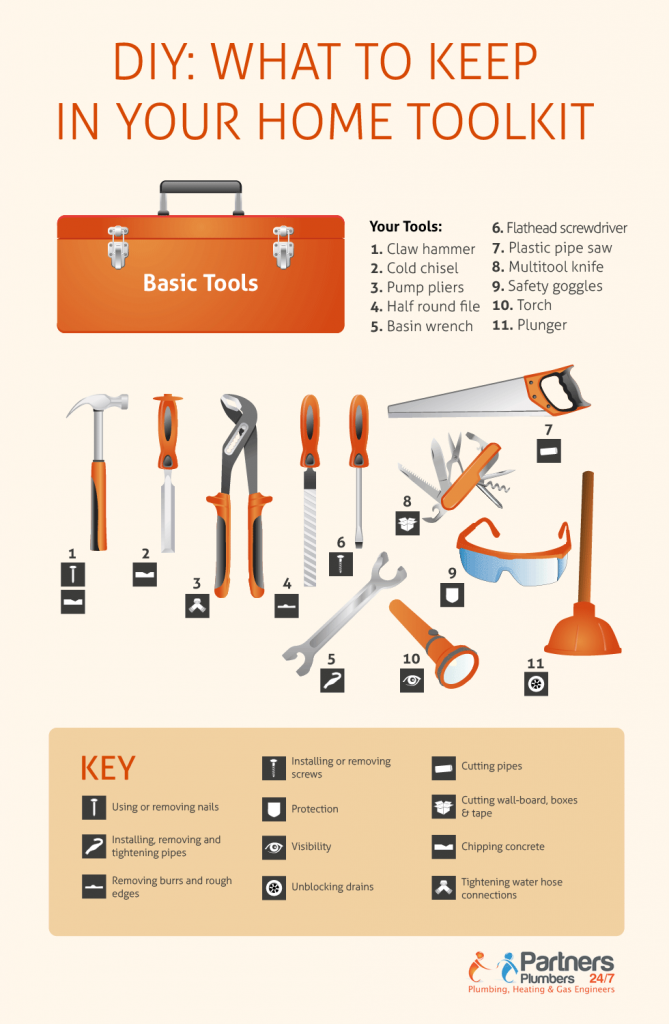
Here are some of the most essential hand tools for home improvement projects:
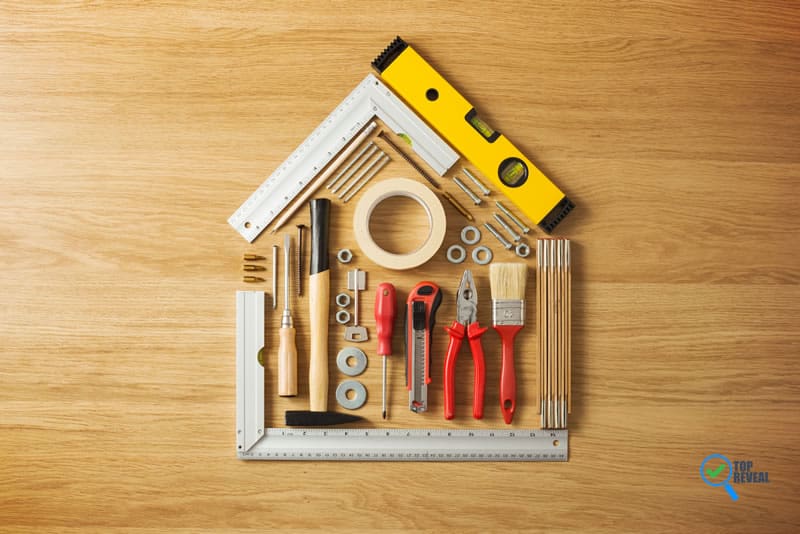
- Hammers are used for driving nails and removing nails.
- Pliers are used for holding objects and for gripping and twisting objects.
- Screwdrivers are used for driving and removing screws.
- Tape measures are used for measuring distances.
- Levels are used for checking the levelness of surfaces.
- Combination squares are used for measuring and marking angles.
- Chisels are used for cutting wood and other materials.
- Files are used for smoothing and shaping metal and other materials.
Safety Gear
No matter what type of DIY home improvement project you're working on, it's important to wear the proper safety gear. This includes:

- Eye protection: Eye protection is essential to protect your eyes from flying debris and other hazards.
- Gloves: Gloves can protect your hands from cuts, splinters, and other injuries.
- Dust masks: Dust masks can help protect your lungs from harmful dust particles.
- Hearing protection: Hearing protection can help protect your ears from loud noises.
Where to Buy DIY Home Improvement Tools
You can buy DIY home improvement tools at a variety of stores, including home improvement stores, hardware stores, and online retailers. When choosing a store, it's important to consider the following factors:

- Price: The price of DIY home improvement tools can vary significantly from store to store. Be sure to compare prices before you buy.
- Selection: Make sure the store has a good selection of the tools you need.
- Convenience: Consider the location of the store and how easy it is to get to.
DIY Home Improvement Tips
Here are a few tips to help you get the most out of your DIY home improvement projects:
- Plan ahead: Before you start a project, take some time to plan it out. This will help you avoid mistakes and make the project go more smoothly.
- Read the instructions: Before you use any
Komentar
Posting Komentar